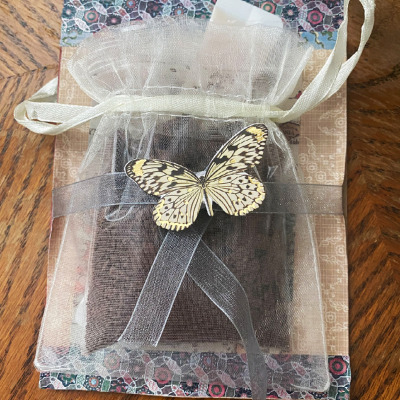
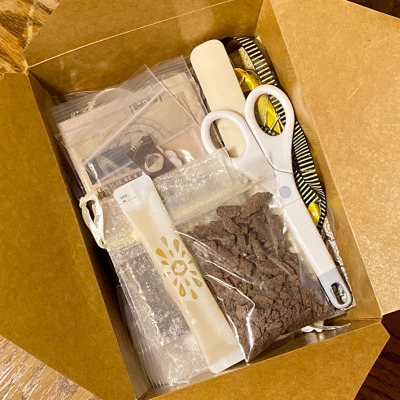
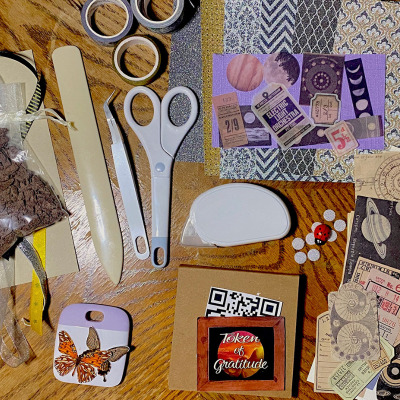
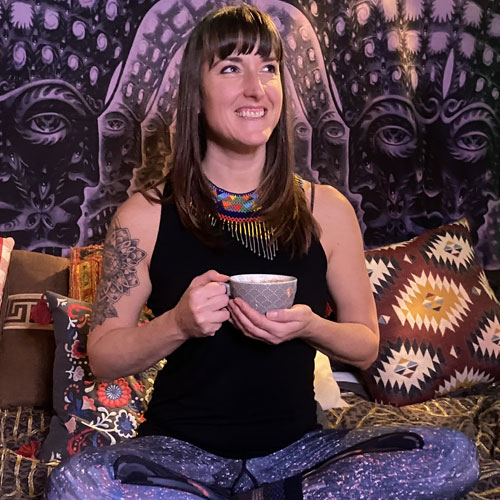
This Token of Gratitude pays it forward, to those you’re truly grateful for. With open-heart intention,and a warm cup… of cacao,
Take this moment in the creative ritual of expression. Show someone how much they mean to you.
More About Token Of Gratitude Social
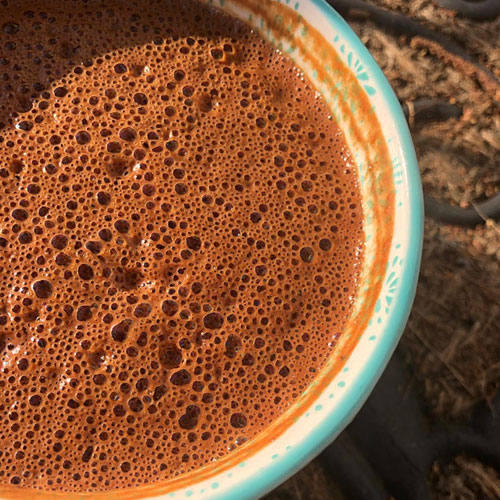
With a hot cup of Cacao in the palms of your hands, take a moment to reflect. Sit with its heat as you breathe in deep. Be still for a moment. And when you breathe out, give yourself the freedom to release all greviences to make space for gratitude. Now. Do what brings you joy.
It can be hard to count your blessings, especially when you find yourself struggling. And it requires courage in times like these to express what you are grateful for. Gratitude places your spirit in the path of abundance. By focusing on what’s right, it takes time and energy from fixating on what’s going wrong.
Token Of Gratitude Series
https://youtu.be/EV9XQ2T5WGwhttps://youtu.be/4wL30IgkZ4w
The Benefits of Ceremonial Grade Cacao
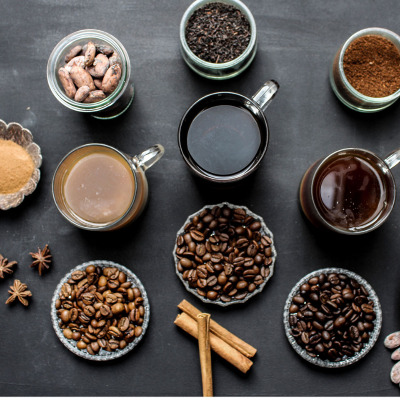
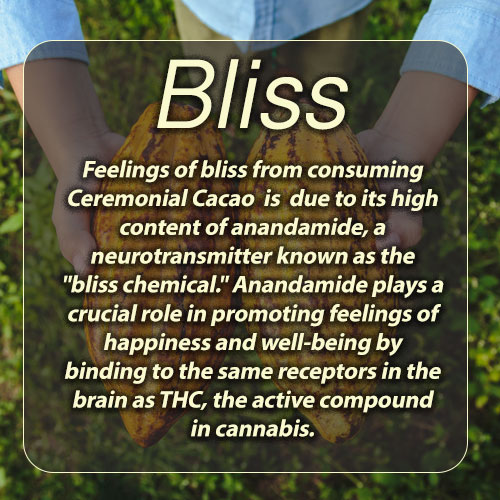
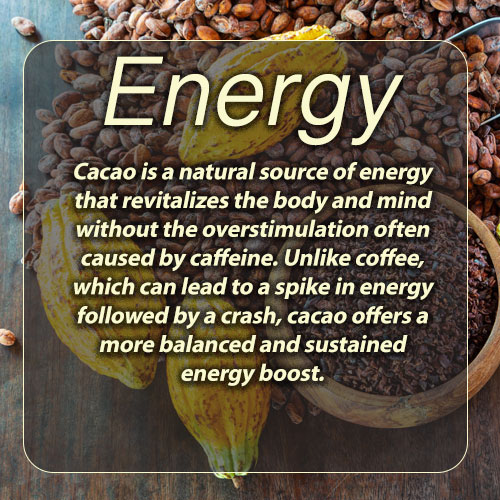
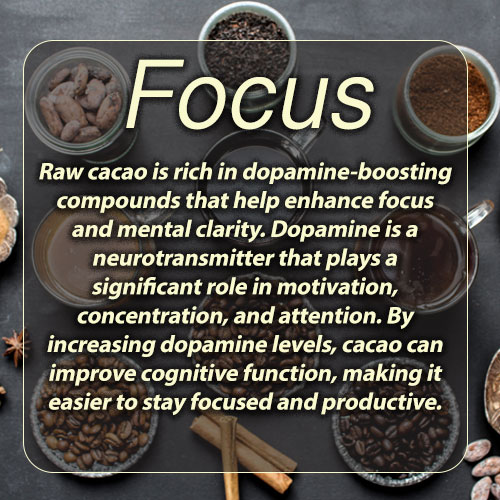
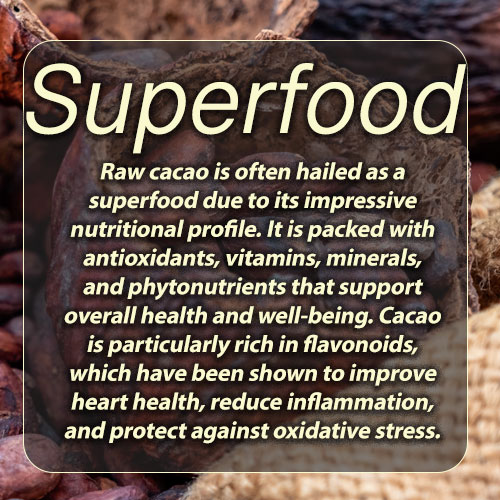
Ceremonial cacao refers to a specific type of cacao that is used in traditional ceremonies and has been minimally processed. While the specific ingredients may vary depending on the source and preparation, here are some of the beneficial ingredients that may be present in ceremonial cacao:
The Origins Of The Cacao Ceremony
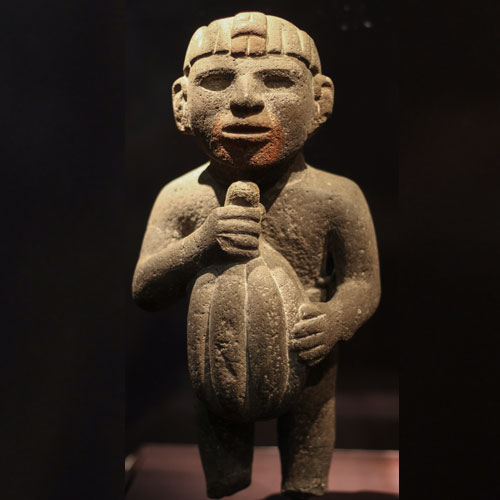
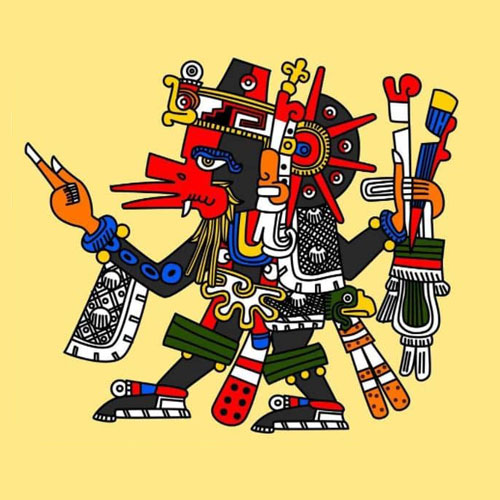
The cacao ceremony is believed to have originated with the ancient Maya and Aztec civilizations of Mesoamerica, where cacao was highly valued and considered to be a sacred plant. The word “cacao” is derived from the Nahuatl word “xocolātl,” which means “bitter water,” and it was consumed by the Aztecs as a beverage in both religious and social contexts.
During Aztec ceremonies, cacao was often mixed with other ingredients such as honey, vanilla, and chili pepper to create a spicy and bitter drink that was reserved for priests and other high-ranking members of society. The Maya also consumed cacao as a beverage, and it was often used in marriage ceremonies and other rituals.
The practice of the cacao ceremony was largely lost after the Spanish conquest of the Aztec and Maya empires in the 16th century, but it has recently experienced a resurgence in popularity among people interested in spiritual and healing practices. Today, cacao ceremonies are often associated with indigenous traditions and are used in a variety of spiritual and wellness contexts, including yoga, meditation, and shamanic practices.